

Introduction
The Sonic Cue Compression Model is the primary structural model in A-MNEMONIC’s sonic branding framework system. A proprietary sonic branding framework that explains how complex brand meaning can be condensed into short, memorable sound cues.
In effective sonic branding, music is not simply decorative. It functions as a mnemonic signal – a compressed carrier of brand identity that can be recognised rapidly and remembered over time.
This framework helps brands understand how sound moves from expressive composition to structured memory trigger.
What Is Sonic Cue Compression?
Sonic cue compression refers to the process of reducing broad emotional, strategic and sensory brand signals into concise sonic forms.
Rather than communicating brand meaning through long musical narratives, effective sonic branding distils identity into short motifs, textures, tonal signatures or rhythmic patterns that are easy to recognise.
The goal is not simplification for its own sake.
The goal is efficient memory encoding.
Why Compression Matters in Brand Sound
Brand communication environments are increasingly fragmented and fast-moving. Audiences often encounter sound in:
- short advertising exposures
- interface interactions
- social media edits
- sponsorship stings
- streaming and voice environments
In these contexts, sound must operate quickly and efficiently
A compressed sonic cue allows brand identity to be recognised before conscious processing is complete, supporting implicit familiarity and emotional continuity.
The Three Stages of the Model
1
Brand Meaning
Expansion
At the beginning of the process, brand sound may exist in a broad expressive form. This could include full compositions, emotional mood boards, stylistic territories and sonic experimentation.
This stage explores how the brand might sound before deciding how it should be remembered.
2
Structural
Compression
The next stage focuses on distillation.
Musical ideas are refined into shorter, more distinctive structural elements.
These may include:
- recognisable melodic contours
- characteristic rhythmic signatures
- tonal colour or harmonic identity
- unique textural or timbral fingerprints
The aim is to create cues that are both distinctive and enjoyably repeatable.
3
Memory Cue
Deployment
Finally, compressed cues are deployed consistently across touchpoints.
Through exposure, the cue becomes associated with brand meaning and begins to function as a rapid recognition signal.
Over time, listeners may experience familiarity or trust without consciously recalling when they first heard the sound.
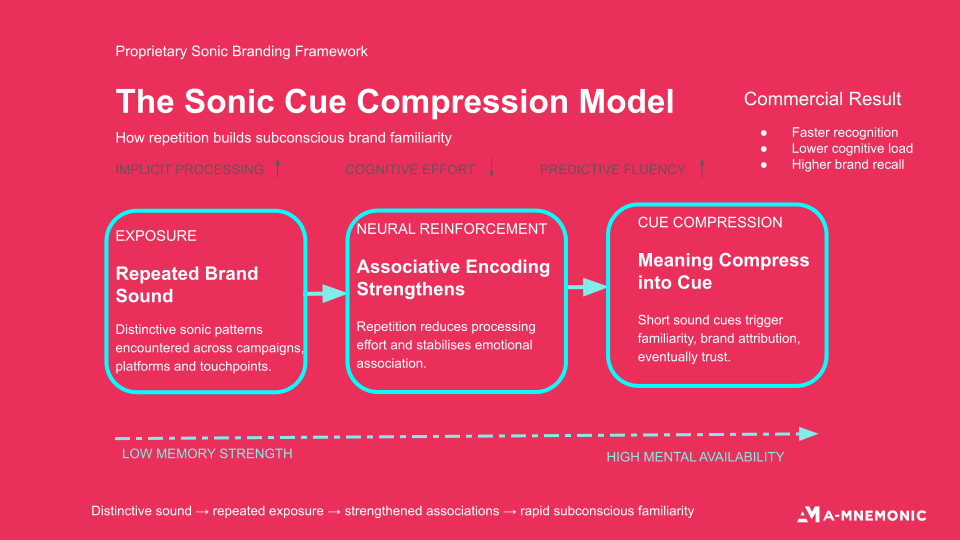
The Sonic Cue Compression Model explains how distinctive sonic cues are compressed into long-term brand memory through repetition, emotional encoding and associative reinforcement.
Relationship to Other Sonic Branding Frameworks
The Sonic Cue Compression Model works alongside other A-MNEMONIC frameworks:
- The Novelty–Familiarity Encoding Curve
- The Sonic Memory Reinforcement Loop
Together these models explain how sonic branding becomes memorable:
- compression creates efficient cues
- optimal novelty supports encoding
- repetition strengthens recognition
👉 Internal links to:
Commercial Implications for Brands
The framework suggests several practical principles:
- short distinctive cues often outperform long generic music
- consistency strengthens memory value over time
- compressed sonic signals support faster brand attribution
- sonic branding should be designed as a system, not a one-off asset
- strategic sound can build long-term brand equity through repeated exposure
In commercial environments where attention is fragmented, compressed sonic cues can act as efficient identity markers.
Framework Summary
The Sonic Cue Compression Model explains how brand sound becomes memorable by distilling complex emotional and strategic meaning into concise, repeatable sonic cues.
When deployed consistently, these cues can function as subconscious recognition triggers, allowing brand identity to be perceived rapidly even in high-clutter media environments.
Frequently Asked Questions
What is a sonic cue?
A sonic cue is a short, recognisable sound associated with a brand. It may take the form of a melodic motif, rhythmic pattern or distinctive tonal signature.
Why are short sonic cues effective?
Short cues are easier to encode and recall. They can be recognised quickly and repeated consistently across multiple touchpoints.
Is sonic cue compression about simplifying music?
Not necessarily. It is about making brand sound more efficient as a memory signal rather than reducing creative richness.
How does repetition affect sonic branding?
Repeated exposure strengthens associative memory. Over time, listeners may recognise a brand cue without consciously recalling previous encounters.
Can sonic cues evolve over time?
Yes. Effective sonic branding systems evolve gradually while preserving recognisable structural identity